Yellow River Stone Forest
Introduction
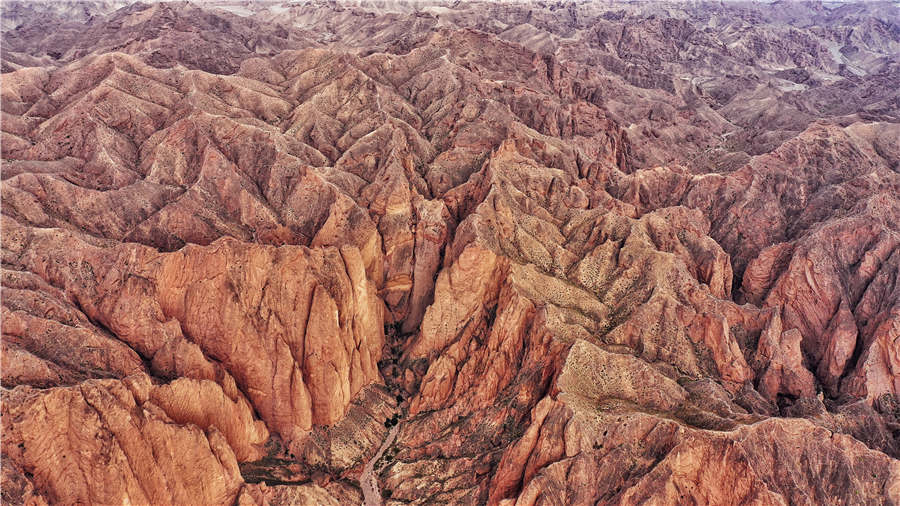
The Yellow River Stone Forest, located in Baiyin city, Gansu province, is a national geological park renowned for its dramatic and unique landscape. Nestled along the Yellow River, China's second-longest river and often referred to as the "Mother River," the stone forest showcases towering rock formations sculpted by millennia of wind and water erosion. These formations, some reaching heights of up to 200 meters, create an awe-inspiring natural spectacle that attracts visitors from across the globe. The park is surrounded by rolling hills, desert stretches, and the winding ribbon of the Yellow River, offering a striking contrast between the rugged terrain and the serene flow of the river.
The Yellow River Stone Forest is easily accessible, located about an hour's drive from Baiyin city. Scenic shuttles transport visitors deep into the canyon, allowing them to explore the diverse stone pillars and formations up close. The Yinmagou gully, a 4.5-kilometer canyon within the park, offers opportunities for both leisurely rides and adventurous climbs to viewing platforms that provide panoramic vistas of the stone forest. Visitors can also embark on a 1,200-meter walk to the summit of the scenic area, where the stone forest's grandeur unfolds in full view, resembling a petrified city built by giants or a geological archive frozen in time.
Historical and Cultural Significance
The Yellow River Stone Forest is not only a geological wonder but also a site of cultural and historical importance. The Yellow River itself has been a cradle of Chinese civilization for thousands of years, and the stone forest stands as a testament to the natural forces that have shaped the region over millennia. The towering rock formations, carved by wind and water, resemble imaginative silhouettes of animals, human figures, and architectural structures, inspiring local folklore and storytelling.
Nearby, the Bingling Temple Grottoes add a rich cultural dimension to the area. These grottoes, carved into cliffs along the Yellow River, house a collection of Buddhist art that spans multiple dynasties. The site contains 216 caves, hundreds of statues, and numerous murals, with the centerpiece being a 27-meter-tall Buddha statue carved during the Tang Dynasty (618-907). This statue, framed by weathered sandstone grottoes, has gazed upon the Yellow River for over a millennium, symbolizing the enduring spiritual and cultural heritage of the region.
The integration of sports and tourism has further enhanced the cultural significance of the Yellow River Stone Forest. The park has become a popular destination for winter sports enthusiasts, with its proximity to ski resorts and training bases in Gansu province.
Biodiversity
The Yellow River Stone Forest is home to a diverse range of flora and fauna, supported by the unique geological and climatic conditions of the region. The park's ecosystem is shaped by the interplay of desert landscapes, rolling hills, and the Yellow River, creating habitats for various plant and animal species. The erosion-carved gullies and towering rock formations provide shelter for wildlife, while the river sustains aquatic life and vegetation along its banks.
The biodiversity of the area is a reflection of the broader ecological significance of the Yellow River basin. As one of China's major waterways, the Yellow River supports a wide array of species and serves as a vital resource for agriculture, industry, and communities along its course. Conservation efforts in the region aim to protect the natural habitats and maintain the ecological balance, ensuring that the unique biodiversity of the Yellow River Stone Forest remains intact for future generations.
Tourism
The Yellow River Stone Forest has become a major tourist attraction, offering visitors a blend of natural beauty, cultural heritage, and recreational activities. The park's dramatic landscape, characterized by towering stone pillars and erosion-carved gullies, provides a stunning backdrop for exploration and photography. Scenic shuttles and guided tours allow visitors to immerse themselves in the park's unique geological features, while viewing platforms and summit walks offer panoramic vistas of the stone forest.
One of the highlights of the park is the sheepskin raft ride along the Yellow River, a traditional mode of transport that has been used for centuries. These buoyant vessels, made from inflated sheepskins bound to a sturdy platform, provide a thrilling and authentic experience for visitors. Riders navigate the river's swift currents, enjoying the scenic views and the occasional splash of mineral-rich water.
The park's proximity to ski resorts and training bases in Gansu province has also made it a popular destination for winter sports enthusiasts. Visitors can combine skiing and sightseeing, taking advantage of the region's integration of sports and tourism. The Yellow River Stone Forest Resort, in particular, has attracted thousands of skiers and snowboarders, contributing to the local economy and enhancing the park's appeal as a year-round destination.
Conservation Efforts
Conservation efforts at the Yellow River Stone Forest focus on preserving its unique geological features, protecting its biodiversity, and maintaining the ecological balance of the region. As a national geological park, the site is subject to regulations that aim to minimize human impact and ensure sustainable tourism practices. Measures include controlled access to sensitive areas, waste management systems, and educational programs to raise awareness about the importance of conservation.
The Yellow River basin, as a whole, is a priority for environmental protection in China. Initiatives to reduce sedimentation, combat desertification, and improve water quality are critical to safeguarding the river's ecosystems and the communities that depend on it. The stone forest, as part of this broader effort, benefits from ongoing research and monitoring to address environmental challenges and promote sustainable development.
Collaboration between local authorities, conservation organizations, and the tourism industry has been key to the success of these efforts. By balancing the needs of visitors and the environment, the Yellow River Stone Forest continues to thrive as a natural and cultural treasure, offering a glimpse into the Earth's geological history and the enduring legacy of the Yellow River.








